
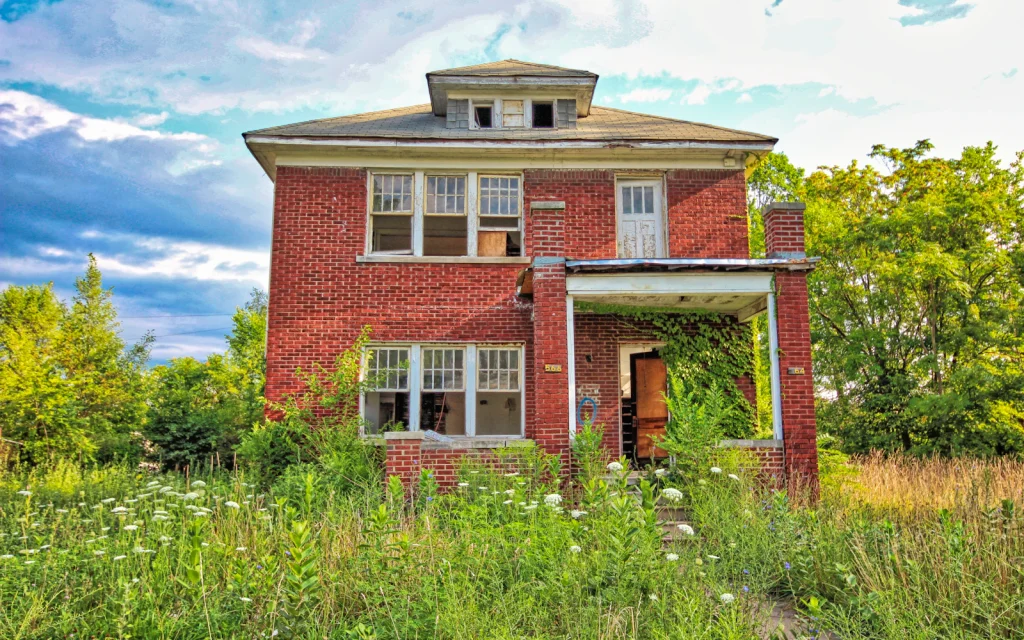
Selling an inherited house in Illinois
How probate works in Illinois, what it costs to sell in Chicago and the suburbs, and how to sell the house as-is without cleaning it out or fixing it up.
- Offer before probate is finished
- No cleanout, repairs or showings
- We pay all closing costs
Get an offer on the inherited house
Takes 30 seconds. No obligation.
Prefer to talk? (312) 818-3954
Can you sell an inherited house in Illinois before probate is done?
Usually, yes. If the house was in the deceased person’s name alone, someone has to be appointed by the probate court before it can be sold. Once the court issues “letters of office” to the executor or administrator, that person can usually sell, often well before the estate is closed. If the house passed outside probate, through joint tenancy, a transfer on death instrument or a trust, the new owner or trustee can sell without probate at all.
Illinois’ small estate affidavit, which now covers personal property up to $150,000 for deaths on or after August 15, 2025, can’t be used to transfer real estate. So if Mom or Dad owned the house in their own name, plan on probate.
Figure out how the house passes
Pull the deed (the county recorder can give you a copy) and look at how title was held. That tells you who can sell and whether you need probate.
| How the house was owned | Probate needed? | Who signs to sell |
|---|---|---|
| Joint tenancy or tenancy by the entirety with a surviving owner | No | The surviving owner, after recording the death certificate |
| Transfer on death instrument (TODI) recorded before death | No | The named beneficiary or beneficiaries |
| Living trust | No | The successor trustee |
| In the deceased person’s name, with a will | Yes | The executor, once the court issues letters of office |
| In the deceased person’s name, no will | Yes | The administrator the court appoints |
If heirs already hold title together after probate, every owner on title has to sign the sale.
How Illinois probate works for a house
- Open the estate. A petition is filed in the circuit court of the county where the person lived. In Cook County that’s the Probate Division at the Daley Center downtown.
- Get letters of office. The court appoints the executor (named in the will) or an administrator. Letters of office are the document title companies need before a sale.
- Notify creditors. Notice is published in a newspaper. Unknown creditors generally have six months from the first publication to file claims, so the estate can’t close before then.
- Sell the house. Most Illinois estates use “independent administration,” which lets the executor sell real estate without a separate court order. One exception: a house left to a specific person in the will needs that person’s written consent. Under supervised administration, the court has to approve the sale.
- Pay debts and distribute. The mortgage, back taxes and liens are paid at closing. What’s left goes to the estate and then to the heirs.
Timelines vary by county and by how busy the court is. Many Illinois estates take most of a year or longer to close, but the house can often be sold in the first few months.
Good to know
- You don’t have to wait for the six-month claims period to sell
- Out-of-state heirs and executors can usually sign remotely
- Sale proceeds stay with the estate until debts are settled
- A probate attorney is worth having for anything contested
Not sure if you need probate?
Our guide to selling a probate property explains the process in plain English, and inherited a house? what to do next covers the first few weeks.
What it costs to sell an inherited house in Illinois
Illinois charges transfer taxes when a house sells, and Cook County and Chicago add their own. Here are the rates for 2026.
| Transfer tax | Rate | Usually paid by |
|---|---|---|
| State of Illinois | $0.50 per $500 of price | Seller |
| Cook County | $0.25 per $500 | Seller |
| City of Chicago | $3.75 per $500 | Buyer |
| Chicago CTA portion | $1.50 per $500 | Seller |
On a $200,000 Chicago sale, the seller’s share is about $900 ($200 state, $100 county, $600 CTA). Many suburbs also charge their own transfer tax or require a water bill certification or inspection before closing, so check with the village.
Taxes heirs ask about
- No inheritance tax. Illinois doesn’t tax heirs on what they inherit.
- Illinois estate tax. It only applies to estates over $4 million, and it’s paid by the estate, not the heirs.
- Capital gains. Inherited property usually gets a “stepped-up” basis to its value on the date of death, so selling soon after often means little or no gain.
- Property taxes. Illinois property taxes are paid a year behind, so at closing the seller usually credits the buyer for taxes owed through the sale date. Exemptions tied to the owner who lived there, like the homeowner or senior exemption, may come off after their death, so the next bill can be higher.
If the house is in Chicago or the suburbs
Most of the inherited houses we buy in Illinois are in Chicago and the south and southwest suburbs. A few local details that catch heirs off guard:
Empty houses in Chicago must be registered
The City of Chicago requires owners to register a vacant building within 30 days of it becoming vacant, with a fee and proof of liability insurance, and to keep it secured. Registration has to be renewed every six months.
Winter is hard on an empty house
Keep the heat on or have the plumbing winterized. A burst pipe in January can turn a cleanup into a gut job. Many homeowners policies also limit coverage once a house sits vacant, so call the insurance agent.
Probate court by county
Cook County probate is handled at the Daley Center. DuPage files in Wheaton, Will in Joliet, Lake in Waukegan and Kane in Geneva. The county where the person lived decides where the estate is opened, not where the heirs live.
Older homes, older issues
Bungalows and two-flats from the 1920s to 1960s often have knob-and-tube wiring, old boilers, galvanized pipes or basement water. Buyers using a mortgage will ask for repairs. We buy them as they are.
Keep, rent, list or sell for cash?
There’s no wrong answer, just the one that fits your family. Here’s how they compare for an inherited Illinois house.
Keep it
Makes sense if someone wants to live there and can cover the taxes, insurance and upkeep, and every heir agrees.
Rent it out
Brings in income, but older homes usually need work first, and Chicago landlords have extra rules to follow.
List with an agent
Usually the highest price if the house is in good shape and the heirs can clean it out, fix it up and wait.
Sell for cash
Fastest and simplest: sold as-is, with no cleanout or repairs, closing when the estate is ready. Get an offer →
Comparing a cash offer with listing? Our cash buyer vs. realtor guide shows how to compare the two fairly.
Selling the house to BAM
- Tell us about the house. We can make an offer before letters of office are issued, so the family knows the number.
- Get a fair cash offer in 24 hours. We show you the math behind it.
- Close when the estate is ready. We work with your probate attorney and the title company, and you pick the date.
- Leave what you don’t want. Take the keepsakes. We handle the rest after closing.
Why heirs call us
- 20+ years and 500+ houses bought
- No commissions or fees
- We pay all closing costs
- Back taxes and liens paid at closing
- Close in as little as 2–3 weeks, or on your timeline
“My brother and I inherited our mom’s house… They handled the entire process.”
Illinois inherited house questions
Do I have to go through probate to sell an inherited house in Illinois?
If the house was in the deceased person’s name alone, yes. Illinois’ small estate affidavit can’t transfer real estate. If the house passed by joint tenancy, a recorded transfer on death instrument or a living trust, probate usually isn’t needed.
How long does probate take in Illinois?
Creditors generally get six months from the first published notice to file claims, so most estates stay open at least that long, and many take most of a year or more. The house can usually be sold sooner, once the executor or administrator has letters of office.
Does the court have to approve the sale?
Not under independent administration, which most Illinois estates use. The executor can sell without a court order, but a house left to a specific person in the will needs that person’s written consent. Under supervised administration, the court approves the sale.
Do heirs pay inheritance tax in Illinois?
No. Illinois has no inheritance tax. Its estate tax only applies to estates worth more than $4 million and is paid by the estate.
What transfer taxes apply when selling in Chicago?
The seller usually pays the Illinois tax ($0.50 per $500), the Cook County tax ($0.25 per $500) and the Chicago CTA portion ($1.50 per $500). The buyer usually pays the Chicago city tax of $3.75 per $500. When you sell to BAM, we pay all of the closing costs.
The house is full of stuff and needs work. Will you still buy it?
Yes. Take what you want and leave the rest. We buy inherited houses as-is, including ones that sat vacant or need major repairs.
General information, not legal or tax advice. Probate and tax rules change and every estate is different, so check with an Illinois probate attorney or tax professional. Rates current as of October 2026.
Sources for this page (6)
- 755 ILCS 5/28-8, independent representative powers
- Cook County Clerk of Court, small estate affidavit (755 ILCS 5/25-1)
- City of Chicago, vacant buildings FAQ
- Attorneys’ Title Guaranty Fund, transfer taxes in Illinois
- IRS Publication 551, basis of inherited property
- Illinois Attorney General, estate tax fact sheet
Talk to us about the house, no pressure
We’ll walk the whole family through the offer, even if a cash sale isn’t the best fit.